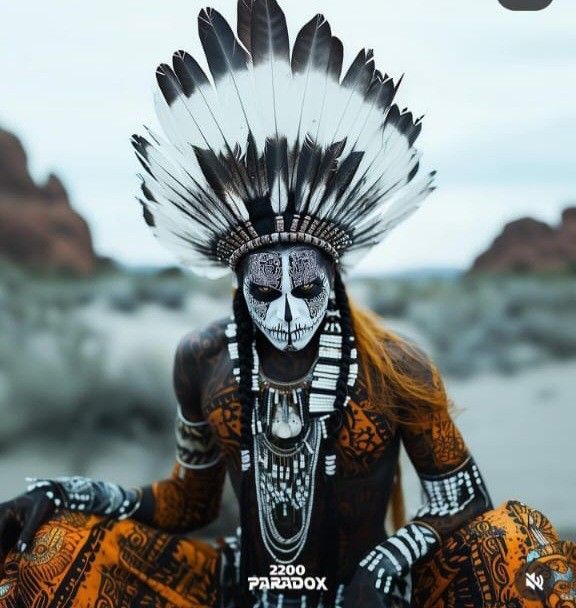
FIELD GUIDE

Useful rhythm mechanics, explained in plain English.

Practical notes for understanding indigenous drum systems. No miracle tricks, no invented rewards — just clearer understanding of ritual and instrument.

Shamanic ritual with drums by fire
START HERE

How to read a drum's rhythm

Before you listen, identify the ritual's purpose, the drum type and the cultural context. A five-second scan can save an hour of misunderstanding.

  1. Identify the drum type and its origin.
  2. Find its role in the ceremony — invocation, trance or celebration.
  3. Listen to the low frequencies — that is where the power lives.
01

GUIDE · 6 min READ

Start with the purpose, not the thunder

Why invocatory, trance and celebratory rhythms demand different listening approaches.

02

GUIDE · 5 min READ

How cascade rhythms really work

A friendly explanation of strike gravity, chain reactions and why edge beats can be more powerful.

03

GUIDE · 8 min READ

Drums without the mystery

Instruments of wood, hide and clay — and the questions to ask before using one.

04

GUIDE · 7 min READ

Rhythm, energy and waiting

How session limits work in shamanic practice and how to recognize pressure without letting it set your pace.

05

GUIDE · 5 min READ

Read a complex rhythm calmly

A repeatable scan for blocking sounds, corners, available space and potential polyrhythms.

06

GUIDE · 9 min READ

Play with respect, don't copy

Practical habits for understanding an indigenous drum without cultural appropriation.

CONSTRUCTION & MEANING

Drums that speak.

Every drum is the voice of its material, shape and culture. Here are four examples from different traditions.

Shamanic drum

Shamanic TraditionsNorth America

Frame Drum

Wooden frame with deer hide. Rhythm of 200–220 beats per minute induces altered states of consciousness.

Material
Wood · Deer hide
Rhythm
200–220 bpm

Aztecs · Mesoamerica14th–16th c.

Huehuetl — Vertical Drum

Tall cylindrical drum with iguana hide. Used in military and religious ceremonies.

Material
Wood · Iguana hide
Rhythm
Military · Religious

Maya · Classic Period250–900 CE

Tun — Ritual Drum

Clay drum with relief depictions of gods. Its sound was associated with thunder and rain.

Material
Clay · Hide
Rhythm
Rain · Invocation

Inca · Andes15th–16th c.

Wankara — Warrior Drum

Double drum with two hide membranes. Accompanied military campaigns and village festivals.

Material
Wood · Llama · Hide
Rhythm
War · Festive