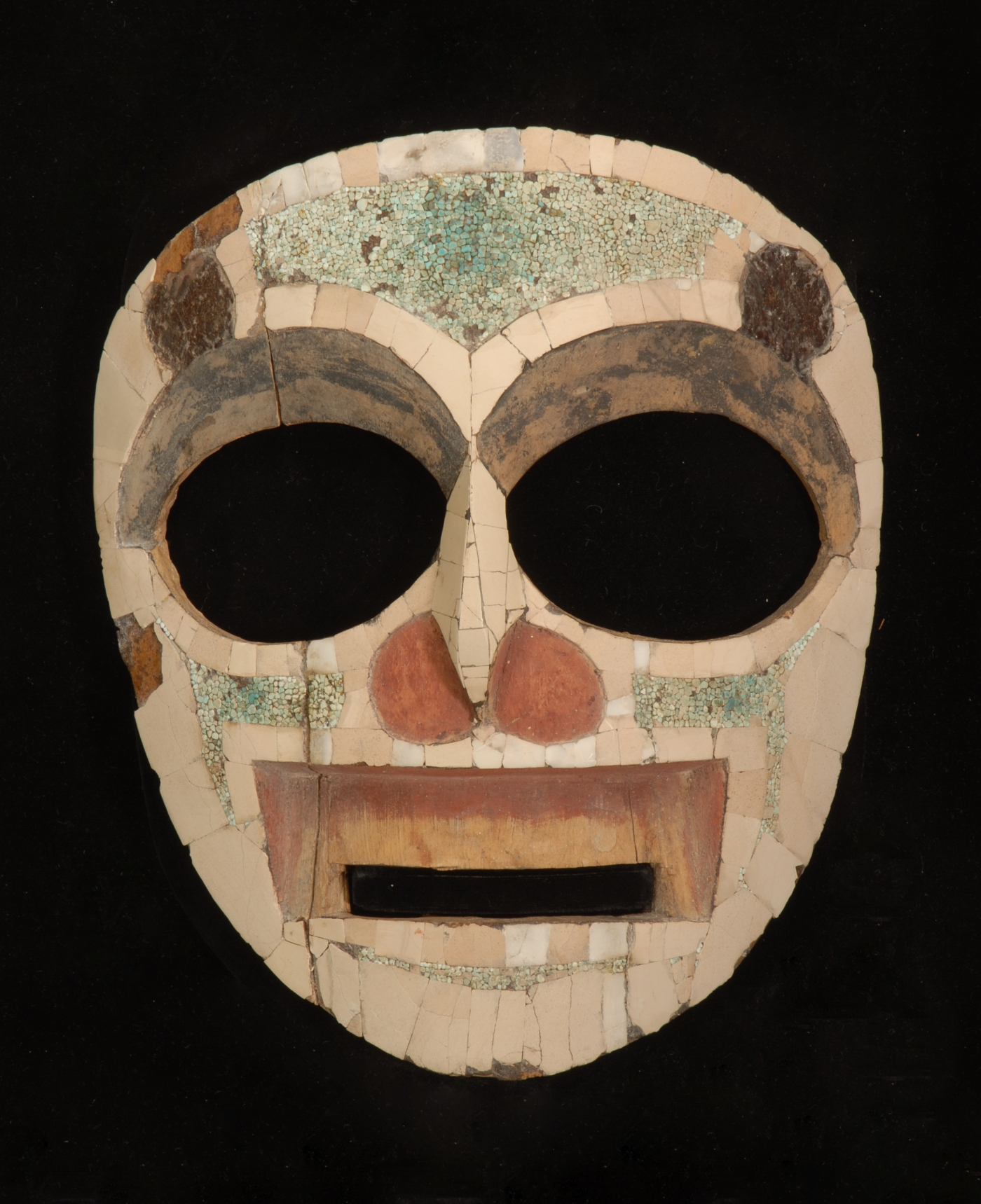
Xiutecuhtli Mask
Mosaic mask of the fire and renewal god, inlaid with turquoise, obsidian and shell.
- Material
- Turquoise · Obsidian
- Purpose
- Fire ritual
EDUCATIONAL PROJECT
Exploring the materials, craft and meaning of masks and drums — always grounded in living tradition, myth and ritual.
12masks described
06research criteria
100%educational independence
0commercial rankings
CURRENT RESEARCH
Materials are based on archaeological finds, ethnographic records and ritual mechanics research. Every artifact is examined in its cultural context.
Mosaic mask of the fire and renewal god, inlaid with turquoise, obsidian and shell.
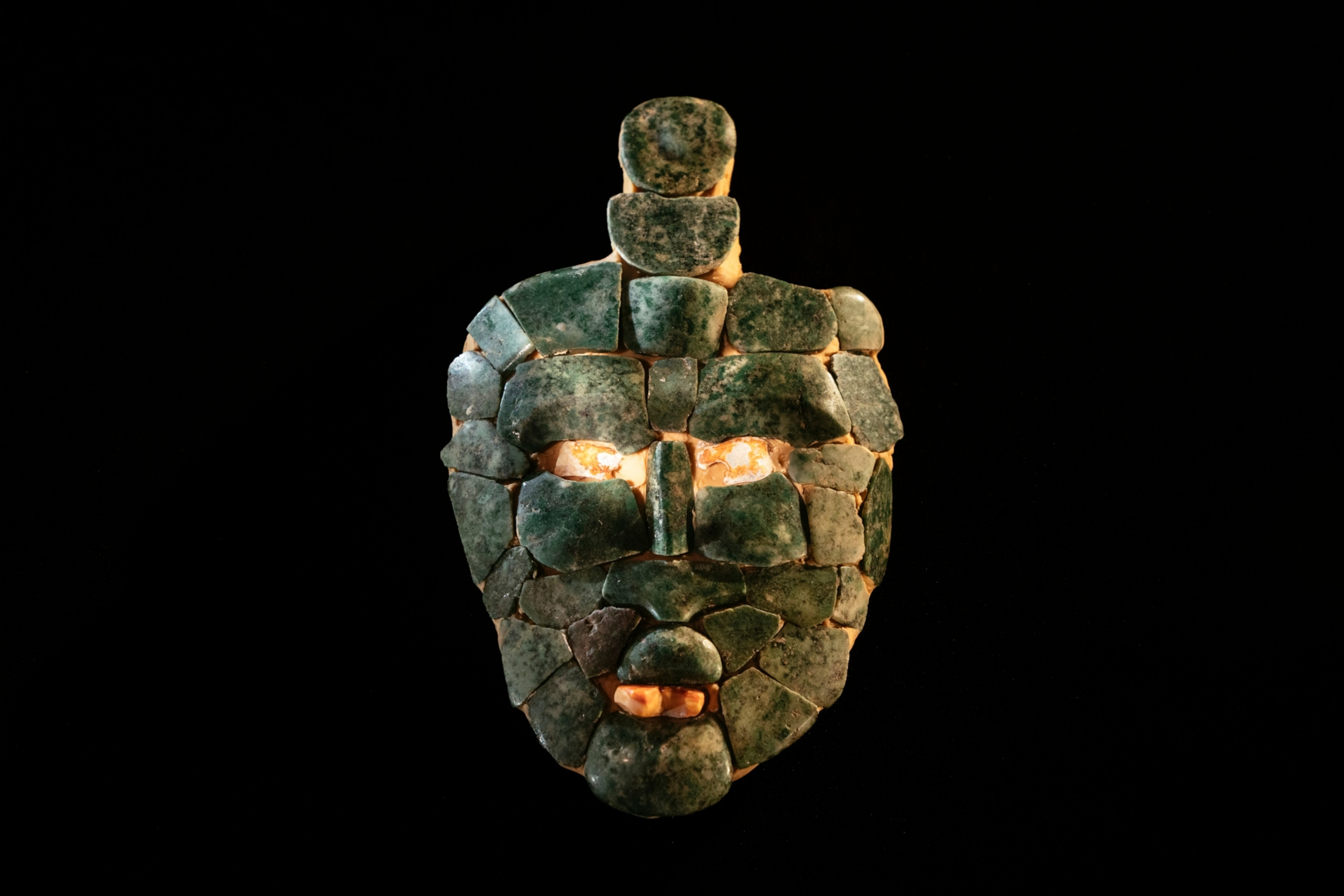
Mask of the sun god found in a ruler's tomb. Jade symbolized eternity; gold inlays — divine light.
Rhythm as a tool for entering altered states of consciousness and connecting with spirits.
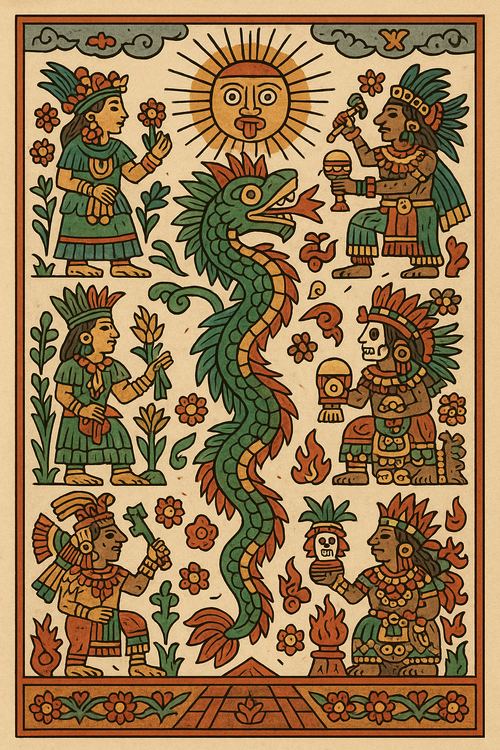
Cosmogonic legend of five cycles of world creation and the role of self-sacrificing gods.
"This is the beginning of the ancient word, here in this place called Quiché. Here we shall inscribe, we shall implant the Ancient Word, the potential and source for everything done in the citadel of Quiché."— Popol Vuh, K'iche' Maya creation epic
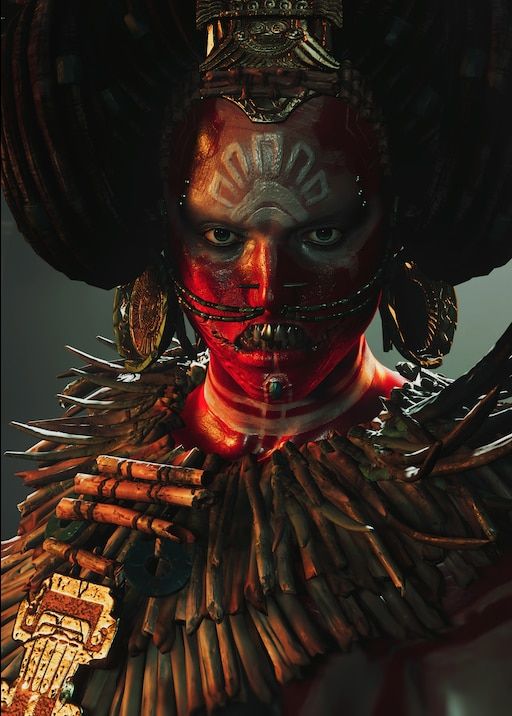
THE PATH OF THE WARRIOR
Aztec warfare was not merely conquest — it was a sacred duty. The greatest honor belonged not to those who killed, but to those who captured enemies alive for sacrifice. To die in battle or on the sacrificial stone was the surest path to paradise.
The two most revered orders were the Jaguar Knights (Ocelomeh) and the Eagle Knights (Cuāuhtli). Only the bravest warriors, those who had captured multiple enemies in battle, earned the right to wear the sacred costumes of these beasts.
A wooden paddle lined with razor-sharp obsidian blades capable of decapitating a horse in a single swing.
Cotton armor soaked in brine, thick enough to stop arrows and obsidian blades, light enough to run in.
Ritualized battles between Aztecs and rival cities, fought specifically to obtain captives for sacrifice.
THE DIVINE PANTHEON
The Mesoamerican pantheon was vast and layered. Gods shifted shapes, merged identities, and demanded both worship and fear.
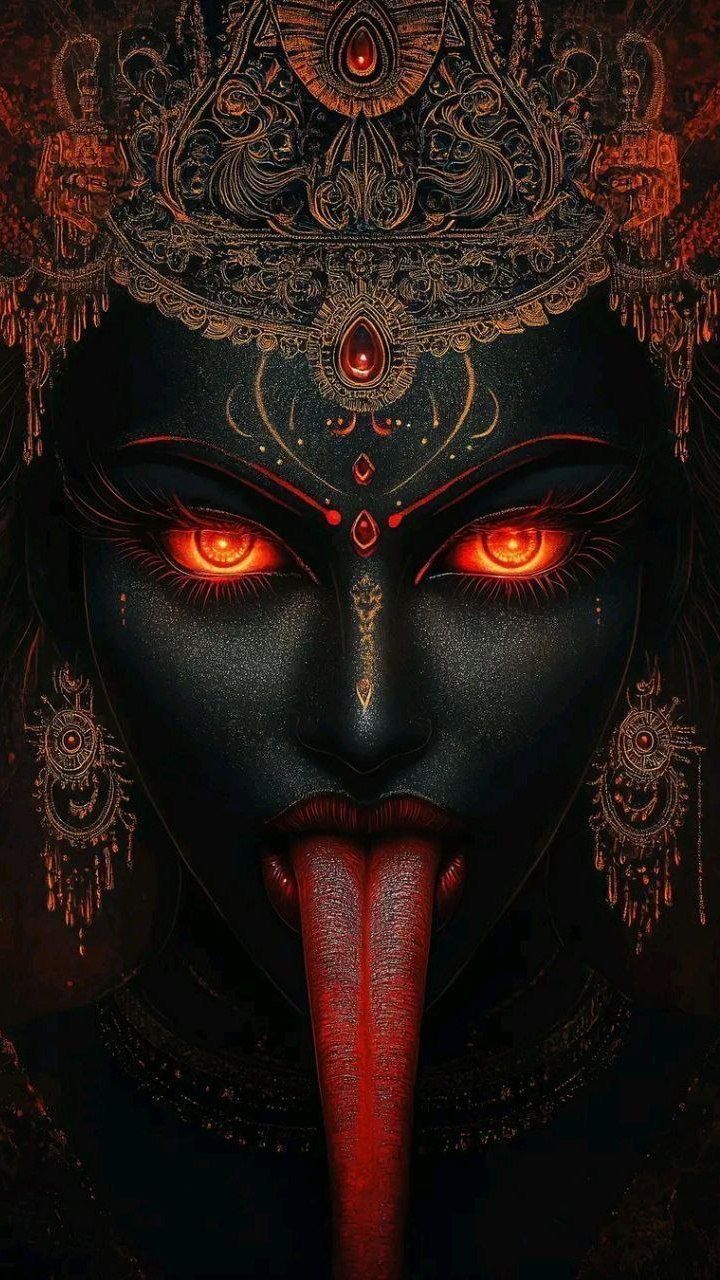
The Feathered Serpent — god of wind, wisdom, dawn and knowledge. He created humanity from the bones of the dead, mixed with his own blood. His exile from Tula became the prophecy that doomed the empire.
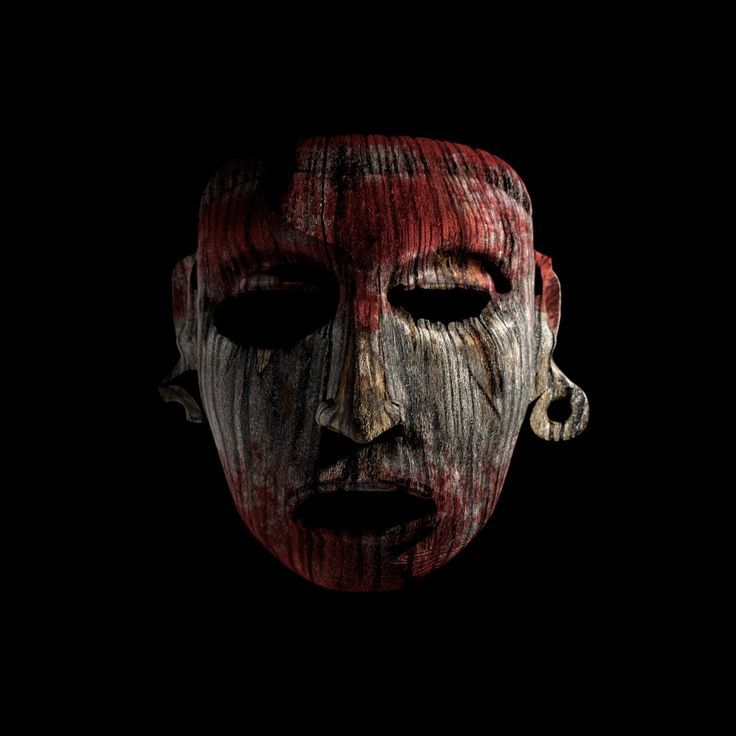
Lord of Mictlan, the nine-level underworld. A skeletal god with staring eyeballs, he ruled the dead with his wife Mictecacihuatl. Every soul had to navigate his treacherous realm after death.
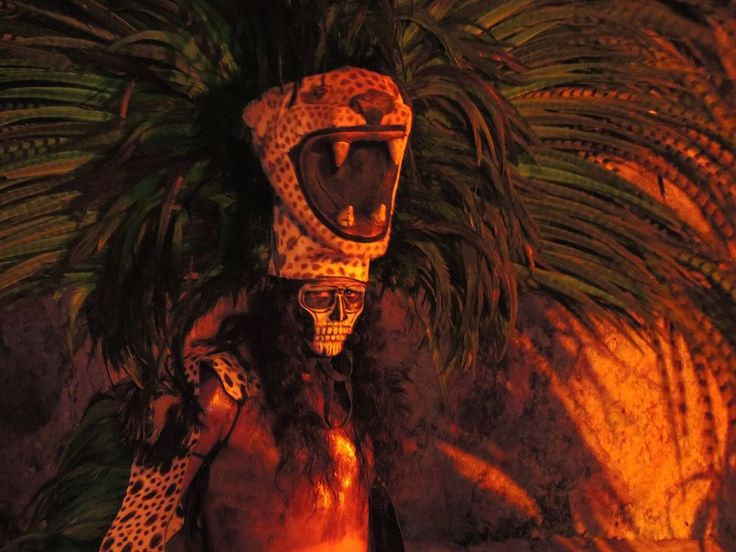
The Hummingbird of the South — god of war, sun and human sacrifice. The Aztecs believed he was born fully armed from his mother Coatlicue, and that he demanded human hearts to strengthen the sun.
RITUAL & SACRIFICE
To the peoples of Mesoamerica, blood was not a symbol of violence — it was the sacred currency that kept the universe alive.
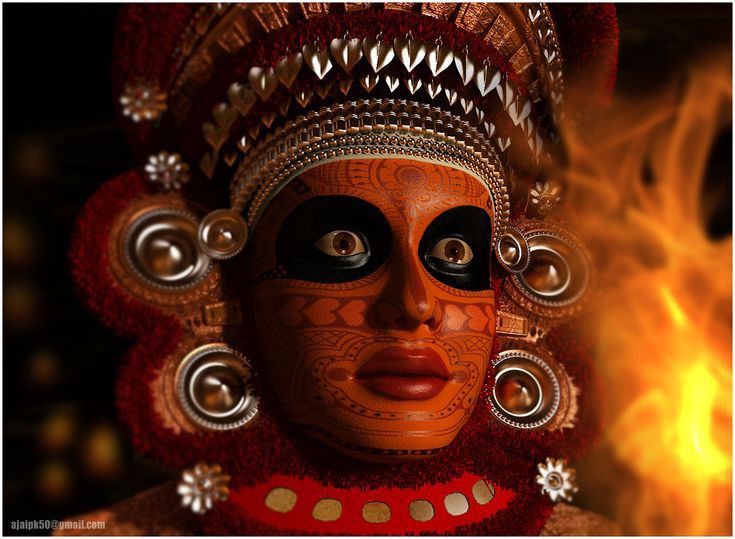
Every 52 years, when the Aztec calendar cycles aligned, the people feared the world would end. Priests gathered at Huixachtlan, extinguished every fire in the empire, and waited. If the Pleiades crossed the zenith, a human victim was sacrificed and a new fire was kindled in his chest — then carried by runners to relight every hearth in the land.
Maya kings and queens pierced their tongues, ears and genitals with stingray spines and obsidian blades. The blood, caught on paper, was burned as an offering. The smoke rose as a serpent — a vision serpent — through which ancestors and gods spoke directly to the living ruler.
TIME & COSMOS
While Europe counted centuries, the Maya tracked cosmic cycles stretching back to the creation of the universe. Their Long Count calendar began on August 11, 3114 BCE — the day they believed the current world was born.
The Calendar Round combined a 260-day sacred calendar (Tzolk'in) with a 365-day solar year (Haab'). Together they formed a 52-year cycle. But the Long Count could date events millions of years into the past and future.
CHRONOLOGY
From the first colossal heads to the fall of Tenochtitlan — the story of Mesoamerica in seven chapters.
First civilization in Mesoamerica. They carve colossal stone heads, develop the earliest writing, and establish the jaguar cult that will echo through every culture that follows.
They build Monte Albán, the first true urban center. Tombs with vivid wall paintings reveal a complex society with its own calendar and writing system.
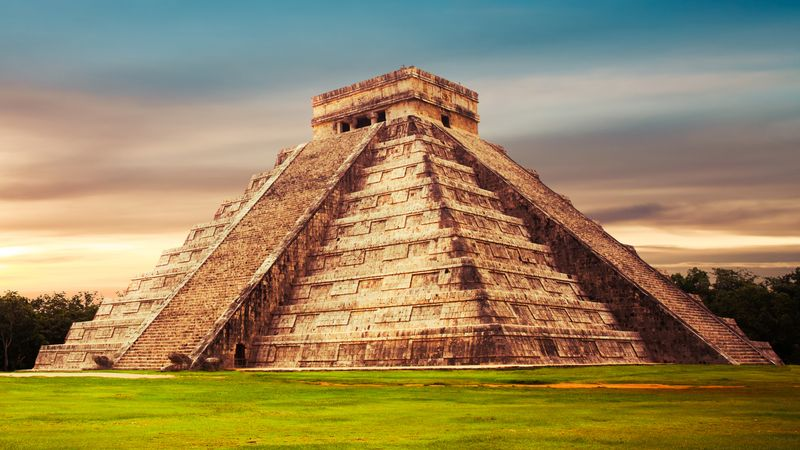
City-states rise across the Yucatán and Guatemala. They perfect mathematics, astronomy and a writing system so precise it records events millions of years apart.
Warriors and builders of Tula. Their cult of Quetzalcoatl spreads across Mesoamerica. The legend of the exiled god who will return shapes the destiny of empires.
Migrants from Aztlán build Tenochtitlan on a lake. In less than 200 years they forge the largest empire Mesoamerica has ever seen — until Cortés arrives.
Tenochtitlan falls. Smallpox, steel and the myth of Quetzalcoatl's return doom the empire. But the cultures survive — transformed, hidden, enduring.
OUR EDUCATIONAL PROMISE
Every mask, drum or legend is examined in its cultural, historical and religious surroundings. No exoticization, no simplifications.
Archaeological finds, ethnographic records and museum collections are always cited separately. We distinguish facts from interpretations.
Rituals, masks and drums are not museum exhibits — they are part of living cultural heritage. We explain their meaning without appropriation.
PRACTICAL GUIDES
Our guides translate complex indigenous concepts into plain language. Learn how to read a mask, understand drum rhythm and distinguish myth from history.
THE SACRED MASK SCORE
Where is this object from? Who created it and in which century?
Which tribe or civilization used it? What beliefs stood behind it?
What is it made of? What technologies were available?
What was it used for? What role in the ceremony?
How is this artifact interpreted today? What has changed?
Is the culture represented respectfully? Is exoticization avoided?